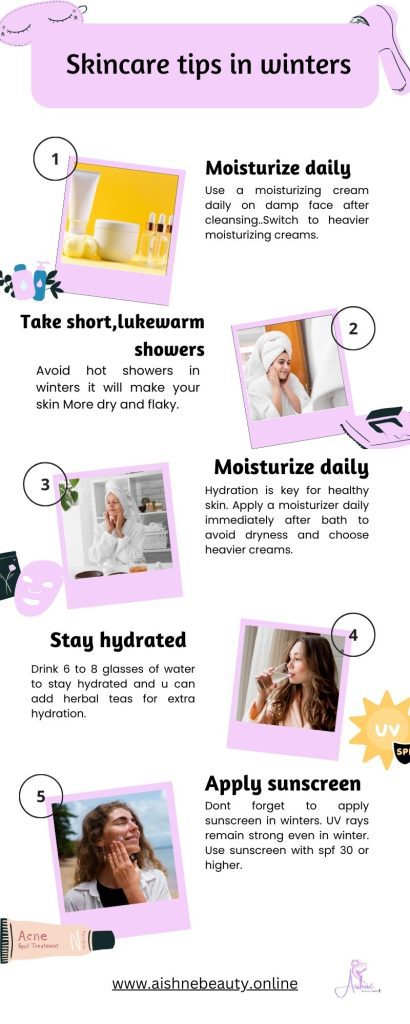
Winter weather can affect your skin, leaving it dry, flaky, and irritated. This guide is for anyone dealing with winter skin problems – from skincare beginners to those looking to upgrade their cold-weather routine.
We’ll cover the most effective moisturizing strategies to keep your skin hydrated all season long. You’ll also learn gentle cleansing techniques that won’t damage your skin’s protective barrier. Finally, we’ll explore the best winter skincare ingredients and products that actually work when the weather gets rough.
Understanding Winter’s Impact on Your Skin

How Cold Air Strips Natural Moisture from Skin
Winter air acts like a moisture vacuum for your skin. When temperatures drop, the air’s ability to hold water vapor decreases dramatically. Cold air contains significantly less humidity than warm air, creating an environment where water molecules from your skin’s surface evaporate rapidly into the atmosphere.
skin experiences rapid temperature fluctuations that disrupt its natural moisture retention mechanisms.
Indoor Heating Effects That Cause Dryness
Forced heating systems or appliances create a artificial dry layer on your face that can be more damaging to your skin.It makes that air circulating in the area continously and can affect your skin badly
Reduced Humidity Levels and Their Consequences
Winter humidity levels often plummet below 30%, creating desert-like conditions for your skin. This dramatic reduction in environmental moisture triggers a cascade of skin problems that extend far beyond simple dryness.
the lack of environmental moisture also affects your skin’s pH balance. Healthy skin maintains a slightly acidic pH of around 5.5, but dry conditions can shift this balance, making your skin more susceptible to irritation, bacterial overgrowth, and inflammatory responses.
Essential Daily Moisturizing Strategies

Switching to Heavier Creams and Ointments
Your lightweight summer moisturizer won’t cut it when temperatures drop. Winter weather demands a complete overhaul of your hydration routine, starting with the products you choose. Heavy creams and ointments create a protective barrier that locks moisture into your skin while shielding it from harsh environmental conditions.
Look for products with occlusive ingredients like petrolatum, shea butter, or ceramides. These ingredients form a protective seal on your skin’s surface, preventing water loss throughout the day. Cream-based moisturizers contain more oil than their lotion counterparts, making them ideal for combating winter dryness.
Applying Moisturizer on Damp Skin for Maximum Absorption
Pat your skin gently with a towel instead of rubbing it completely dry. You want your skin to feel slightly moist but not dripping wet. The remaining water on your skin acts as a delivery system for your moisturizer, helping it penetrate deeper into skin layers.
This method works because moisturizers are designed to seal in existing moisture rather than add new hydration. When you apply moisturizer to bone-dry skin, you’re missing out on the opportunity to lock in that precious water your skin just absorbed during cleansing.
Targeting Problem Areas Like Elbows, Knees, and Heels
Your body’s natural architecture creates areas that are more prone to extreme dryness. Elbows, knees, and heels bear the brunt of winter’s assault because these spots have thicker skin with fewer oil glands. They also experience more friction from clothing and movement throughout the day.
Apply moisturizer to these areas twice daily, paying special attention after any activity that might strip moisture away. Keep a travel-sized hand cream nearby for quick touch-ups throughout the day, especially after washing your hands. Your knuckles and the backs of your hands are particularly vulnerable to cracking and irritation during winter months.

Using lukewarm water instead of hot showers
Hot water feels amazing on cold winter days, but it’s one of the worst things you can do to your skin during dry months. Scalding showers strip away your skin’s natural protective oils, leaving you feeling tight and itchy afterward. The heat disrupts your skin’s lipid barrier, which normally keeps moisture in and irritants out.
Lukewarm water works just as well for cleansing while being much gentler on your skin. Aim for water that feels comfortable but not steamy hot. Your skin should never turn red from the temperature alone. This simple switch helps preserve the natural oils your skin desperately needs during winter months.
Choosing cream-based or oil-based cleansers
Foaming cleansers might feel satisfying, but they often contain harsh surfactants that dry out winter skin. Switch to cream-based or oil-based cleansers that actually add moisture to your skin.